
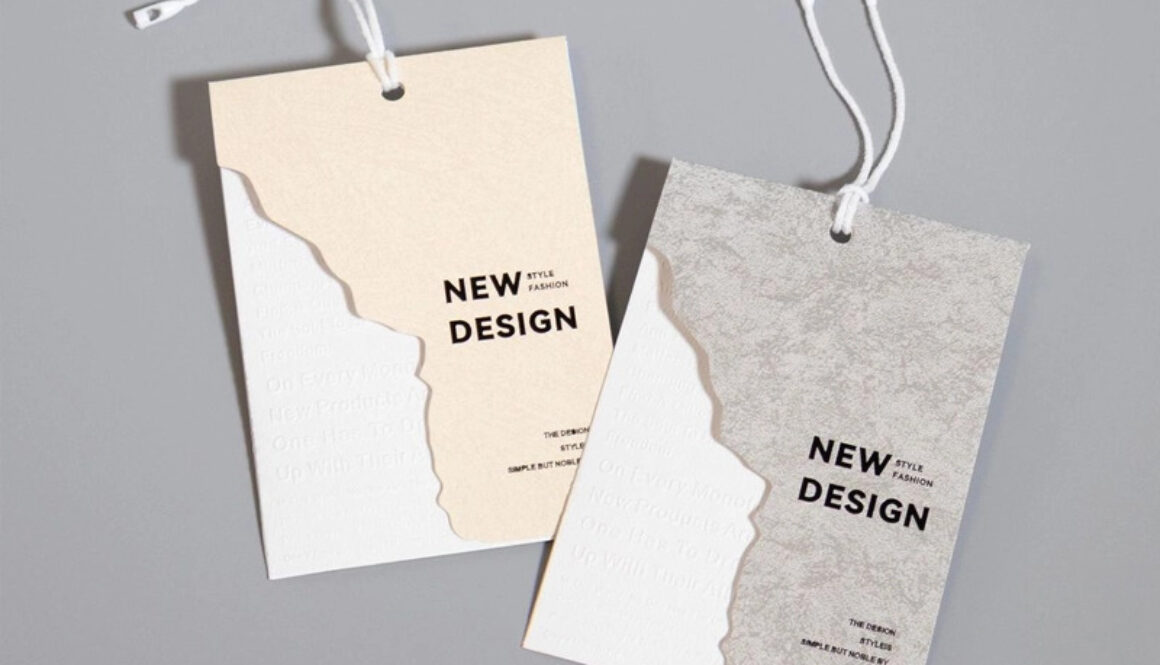
The Essential Guide to Retail Tags for Business Success
Retail tags are an important connection of the product to the consumer. They give the necessary information like price, size, or material, and customers can make decisions within a short period. In addition to functionality, effective tags help the brand perception. Quality and attention to detail are seen in a professional tag that speaks in a better way about the business and makes the customer more trusting.
Tags that are well used also facilitate internal operations. The products are easily identified by the staff, and thus mistakes are eliminated during stocking or sales. Durable, readable tags enhance inventory control and reduce loss as a result of misplacement or confusion. Companies investing in high-quality tags are likely to experience real operational advantages as well as increased customer experience.
Material Choices
The retail tags are determined by the choice of materials used, which influences the aesthetics as well as durability. The most common ones are cardstock, plastic, or fabric, which come with unique benefits depending on the type of product. Cardstock is a more affordable and traditional option, whereas plastic tags have greater water resistance, and the solution withstands wear. Fabric tags add a tactical high-end experience appropriate for clothing or high-end products.
The printing quality and flexibility of design also depend on the choice of material. The tags should be able to print out text and logos in clear and readable fonts. The use of high-quality finishes improves the visual appeal of the product on the shelf. Companies have to strike the right balance between durability, design requirements, and cost when choosing the right materials to use in their retail tags.
Design Essentials
Custom Retail tags with logo are dependent on design as a crucial factor. An attractive tag is noticed and builds brand identity. Color, typography, and layout must be in line with the overall look of the brand. The use of logos in an insidious yet explicit manner assists in sustaining recognition without overwhelming the tag.
Besides visual attractiveness, design should take into consideration readability and functionality. Revitalize vital product details that should be readily accessible and comprehensible. A properly designed tag means that the customer is able to get all the needed information on a single display and thus is satisfied, and less confusion is created. Considerable design is one of the direct contributions to professional presentation and a better brand image.
Printing Techniques
The quality of the retail tags and their prices depend on printing methods. There are possibilities of digital printing, screen printing, and embossing, which can be applied to various production levels and design needs. Digital printing enables a lax in small runs and complicated designs, whereas screen printing is efficient when dealing with numerous orders and straightforward graphics. Embossing creates a sense of touch, which can elevate perceived value.
Durability is also determined by the choice of the appropriate method of printing. The products that are in high traffic demand are printing that does not smudge or fade away as time goes by. Since the method used in printing is a business requirement, the business should consider the printing requirements keenly and make sure that the method used matches the purpose of the tags, volume, and budget without jeopardizing quality.
Customization Options
Customization enables companies to develop tags that depict their brand name and marketing interests. Logos, slogans, or distinctive color schemes can be used by retailers to support brand recognition. Tailor-made tags help to provide a similar display throughout the product lines, which provides an integrated shopping experience.
Personalized tags may also be as well promotional and informative. The customer experience is improved by seasonal messages, care instructions, or product features, which also convey the extra value. Customized retail tags also distinguish products in a competitive environment and thus make them more memorable and attractive to consumers.
Packaging Integration
The Custom retail tag packaging improves the presentation of the product. The package materials and the design should be complemented with tags in a way that would produce a smooth visual effect. Tighter packaging and labeling make one look professional and careful, which enhances the quality of the perceived products.
Positioning: used to make sure that the tags are neither too firm nor too small to be noticed and do not disorient the packaging. Companies should take into account the nature of the interaction of tags with boxes, wraps, or hangers, and ensure maximum attractiveness and functionality. Considerate incorporation enhances branding without being impractical in terms of managing and presenting.
Supply Considerations
Custom tags wholesale quality requires reliable sourcing. The businesses require suppliers that can produce high-quality tags and will be able to deliver them at the right time, and the option of bulk purchases or smaller orders will be based on demand. Turnaround times, printing capabilities, and the availability of materials are also factors to be considered in supply.
Effective supply chain management minimizes the shortage of stock and delays in production. Due to teliable retail tags sourcing, businesses will be able to keep the level of presentation and the consistency of business operations without the need to put products on display that would disclose the brand image and the customer experience.
Conclusion
Retail tags are not mere identification tags. They have functional, aesthetic, and branding roles that affect the perception of the customers and their effectiveness. The quality of materials, design, and a reliable printing technique that is reliable will be an investment that will make tags perform in all areas of the retail profession. Professionalism and brand equity are enhanced by customization and consideration of packaging to enhance the presentation of products. Companies that focus on retail labels reinforce their market position and offer a smooth shopping process to the customers.