
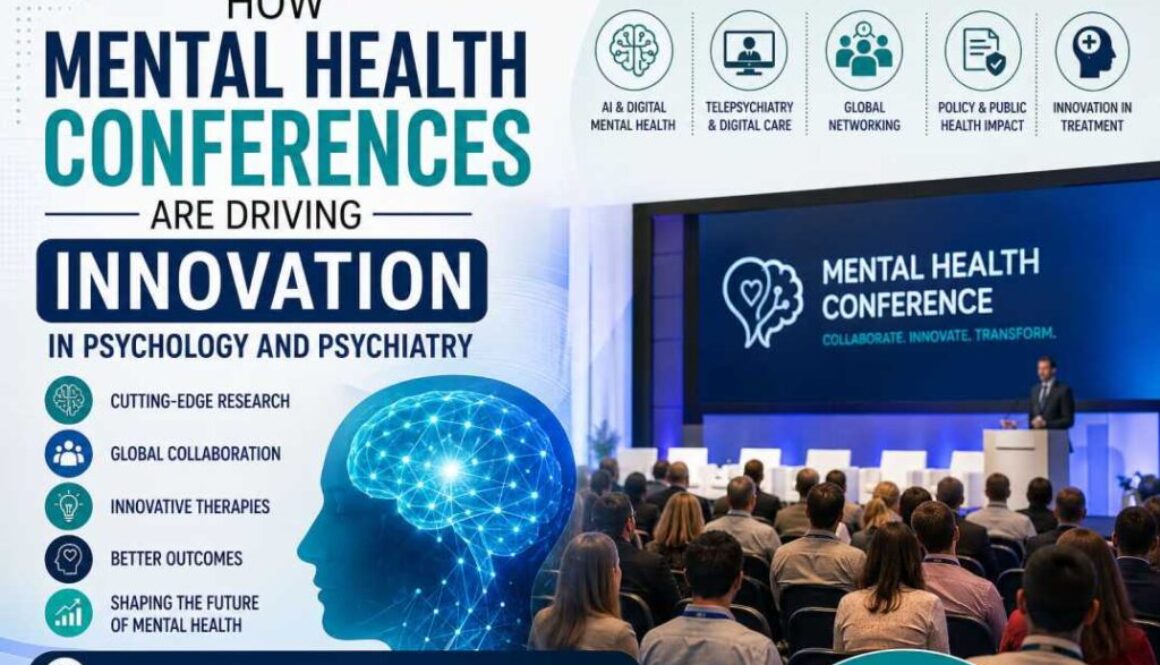
How Mental Health Conferences Are Driving Innovation in Psychology and Psychiatry
The global mental health landscape is evolving rapidly, and one of the most powerful catalysts behind this transformation is the rise of professional conferences dedicated to psychology, psychiatry, neuroscience, and behavioral health. A modern mental health conference is no longer just a networking event—it has become a dynamic innovation hub where clinicians, psychologists, psychiatrists, researchers, educators, and policymakers collaborate to shape the future of mental healthcare.
As mental illness rates continue to rise worldwide and healthcare systems face growing pressure, mental health conferences are helping bridge the gap between traditional treatment methods and groundbreaking scientific advancements. From artificial intelligence in psychiatric diagnostics to teletherapy, trauma-informed care, neurobiological discoveries, and digital therapeutics, these events are revolutionizing how mental health professionals diagnose, treat, and support patients.
Looking ahead, mental health conferences 2026 are expected to play an even greater role in accelerating innovation across the field.
The Expanding Role of Mental Health Conferences in Modern Healthcare
Historically, conferences served as educational gatherings where professionals exchanged research findings. Today, however, these events function as interdisciplinary ecosystems that foster collaboration between:
- Psychologists
- Psychiatrists
- Neuroscientists
- Public health experts
- AI developers
- Digital health startups
- Policy reform advocates
- Academic researchers
This broad participation allows mental healthcare innovation to move faster than ever before.
Recent global conference agendas increasingly emphasize subjects like:
- AI-powered psychiatric assessment
- Precision psychiatry
- Digital cognitive behavioral therapy
- Genomics in mental illness
- Brain-computer interface applications
- Suicide prevention technologies
- Workplace mental health interventions
- Child and adolescent psychiatry innovations
These developments are reshaping psychology and psychiatry from reactive care models toward predictive, personalized, and preventive mental healthcare systems.
1. Advancing Artificial Intelligence in Psychiatry
One of the most significant ways conferences are driving innovation is through AI integration.
At leading international psychiatric and psychology summits, experts are showcasing how machine learning can improve:
- Early diagnosis of depression
- Suicide risk prediction
- Bipolar disorder monitoring
- PTSD screening
- Personalized therapy recommendations
- Behavioral pattern recognition
AI-powered digital mental health tools are increasingly becoming mainstream discussion points. Conferences create a platform where healthcare providers and technology innovators can evaluate both the promise and ethical risks of these systems.
For example, AI and digital psychiatry congresses now prioritize:
- Digital phenotyping
- Predictive analytics
- Generative AI-assisted therapy
- Remote patient monitoring
- Automated screening tools
This convergence of psychiatry and technology is transforming treatment accessibility, particularly in underserved regions.
2. Accelerating Telepsychiatry and Digital Therapeutics
The COVID-era expansion of virtual mental healthcare permanently changed psychiatric service delivery, and conferences have been central to refining these innovations.
Mental health summits now actively discuss:
- Virtual therapy platforms
- Online psychiatric consultations
- Mobile CBT applications
- Digital stress management tools
- VR-assisted exposure therapy
- Wearable mental health monitoring
These discussions are essential because they move digital health solutions from concept to evidence-based implementation.
By bringing together clinical practitioners and digital developers, mental health conferences are directly influencing how scalable psychiatric care can be delivered globally.
3. Strengthening Evidence-Based Psychology Practices
Psychology conferences are vital for translating academic research into real-world therapeutic interventions.
Innovations discussed include:
- Trauma-informed therapeutic frameworks
- Positive psychology applications
- Child behavioral interventions
- Mindfulness-based therapies
- Cross-cultural counseling approaches
- Community psychology models
Because conferences encourage publication, peer review, and professional debate, they accelerate adoption of scientifically validated treatments.
This is especially important in combating misinformation and ensuring psychology evolves alongside new social and technological realities.
4. Fostering Global Policy Innovation
Mental healthcare is no longer viewed solely as an individual clinical issue—it is increasingly recognized as a public health priority.
Global mental health conferences 2026 are expected to further emphasize:
- Mental health equity
- Insurance reform
- Community intervention systems
- Workplace mental wellness policies
- School mental health frameworks
- Global suicide prevention initiatives
By gathering policymakers, researchers, and clinicians, conferences help align scientific advances with governmental and institutional reforms.
This policy-focused collaboration ensures innovation extends beyond clinical settings into broader societal systems.
5. Encouraging Cross-Disciplinary Collaboration
Innovation often happens when disciplines intersect.
Modern conferences unite:
- Psychiatry
- Psychology
- Neurology
- Pharmacology
- Public health
- Education
- Technology sectors
This interdisciplinary exchange leads to breakthroughs such as:
- Neurofeedback therapies
- Personalized medication strategies
- Cognitive enhancement research
- AI-based emotional recognition systems
- Novel psychiatric biomarkers
Without conferences serving as innovation incubators, these collaborative opportunities would be significantly slower.
6. Providing Career Growth for Mental Health Professionals
For clinicians, psychologists, counselors, and researchers, conferences offer career-enhancing opportunities including:
- Publishing studies
- Presenting findings
- Learning new clinical tools
- Gaining certifications
- Networking with global leaders
- Exploring funding opportunities
- Joining collaborative research initiatives
This professional development directly contributes to faster adoption of innovative treatment methods worldwide.
Key Trends Emerging from Mental Health Conferences
Current major innovation themes:
- AI in psychiatry
- Precision mental healthcare
- Telebehavioral health
- Youth mental health crisis response
- Psychedelic-assisted psychotherapy research
- Neuroplasticity applications
- Genomics in psychiatry
- Workplace wellness models
- Social determinants of mental illness
- Ethical frameworks for digital mental health
These topics demonstrate how conferences are influencing both present practice and the future direction of mental health systems.
Why Mental Health Conferences Matter More Than Ever
The global burden of anxiety, depression, PTSD, addiction, and neurodevelopmental disorders continues to rise. Conferences help professionals remain adaptive in an environment where:
- New technologies emerge rapidly
- Patient expectations evolve
- Clinical standards shift
- Research expands
- Policy landscapes change
A well-structured mental health conference empowers professionals to remain ahead of these transformations.
Final Thoughts
Mental health conferences are no longer passive educational events—they are powerful engines driving innovation in psychology and psychiatry.
Through cutting-edge research, AI integration, digital health development, policy reform, and interdisciplinary collaboration, these conferences are redefining how mental healthcare is delivered across the globe.
Whether you are a psychologist, psychiatrist, counselor, academic, healthcare policymaker, or mental wellness advocate, participating in mental health conferences provides access to the latest breakthroughs shaping the future of care.As mental health conferences 2026 approach, these gatherings will continue to be essential platforms for advancing science, improving patient outcomes, and transforming mental healthcare systems worldwide.