
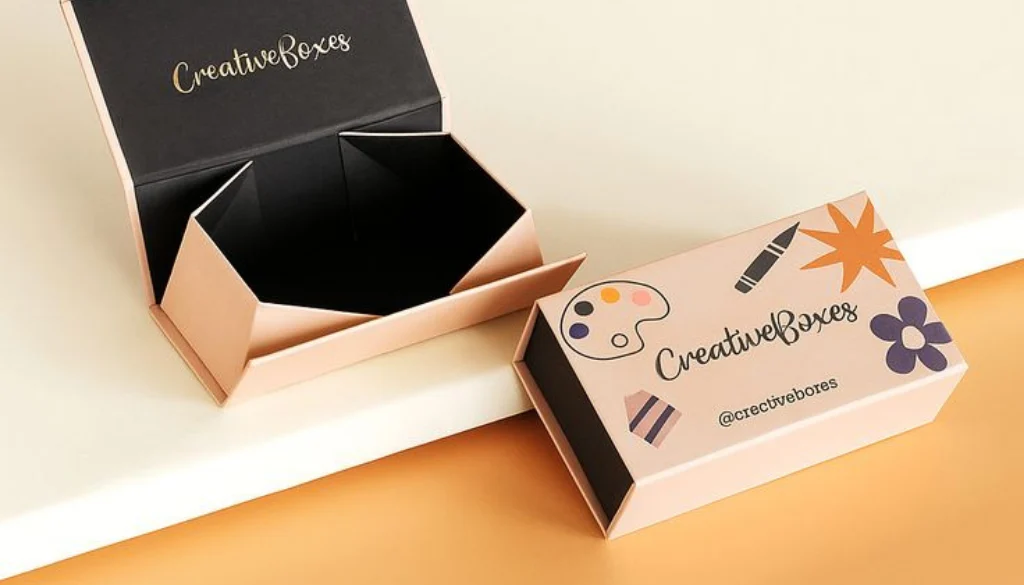
Pharmaceutical packaging plays a vital role in maintaining the safety, quality, and effectiveness of medicines throughout their lifecycle. Whether packaging tablets, capsules, syrups, injections, medical devices, ointments, supplements, or over-the-counter healthcare products, choosing the right pharmaceutical packaging materials is essential for protecting products from moisture, light, oxygen, contamination, and physical damage. High-quality packaging also helps manufacturers comply with industry regulations while building trust among healthcare professionals and consumers.
In today’s healthcare industry, packaging is expected to do much more than contain a product. It must preserve product integrity, provide tamper evidence, display accurate labeling, and support safe transportation and storage. Durable pharmaceutical packaging reduces the risk of product damage, extends shelf life, and ensures medicines reach patients in optimal condition. At the same time, professionally designed packaging featuring clear branding and informative labeling enhances product presentation and reinforces a company’s reputation for quality.
From paperboard cartons and corrugated shipping boxes to rigid boxes and eco-friendly materials, pharmaceutical companies have numerous packaging options available. Selecting the appropriate material depends on the product type, storage requirements, shipping conditions, and regulatory standards.
This comprehensive guide explores the best materials for durable pharmaceutical packaging, including their benefits, applications, sustainability, printing techniques, and design considerations that help healthcare brands protect products and build customer confidence.
What Is Pharmaceutical Packaging?
Custom pharmaceutical packaging refers to packaging solutions designed to protect medicines and healthcare products while ensuring safety, compliance, and product integrity.
It can include:
- Folding cartons
- Corrugated shipping boxes
- Rigid boxes
- Paperboard cartons
- Protective inserts
- Tamper-evident packaging
- Child-resistant packaging
- Custom labels
- Product information leaflets
- Branded outer packaging
These packaging solutions protect products while supporting healthcare regulations and branding.
Why Durable Pharmaceutical Packaging Matters
Quality packaging is essential for healthcare products.
Durable pharmaceutical packaging helps businesses:
- Protect medicines from contamination
- Prevent physical damage
- Extend product shelf life
- Improve patient safety
- Strengthen brand recognition
- Support regulatory compliance
- Enhance customer confidence
Reliable packaging ensures medicines remain safe from production to patient use.
Paperboard
Paperboard is one of the most commonly used materials for pharmaceutical cartons.
Benefits
- Lightweight
- Smooth printing surface
- Cost-effective
- Excellent retail presentation
- Easy to customize
- Recyclable
Ideal for packaging tablets, capsules, and over-the-counter medicines.
Corrugated Cardboard
Corrugated cardboard provides superior protection during transportation.
Benefits
- Excellent strength
- Shock absorption
- Lightweight
- Durable
- Recyclable
Perfect for shipping pharmaceutical products in bulk.
Rigid Paperboard
Rigid paperboard offers premium protection for specialized healthcare products.
Benefits
- Exceptional durability
- Luxury appearance
- Reusable packaging
- Premium presentation
Suitable for medical devices, diagnostic kits, and premium healthcare products.
Kraft Paper
Kraft paper is an environmentally friendly packaging option.
Benefits
- Eco-friendly
- Strong construction
- Recyclable
- Natural appearance
Ideal for sustainable pharmaceutical brands.
Molded Pulp Inserts
Protective inserts help secure delicate medical products.
Benefits
- Shock absorption
- Product stability
- Eco-friendly
- Recyclable
Commonly used for medical devices and glass containers.
Protective Packaging Features
Durable pharmaceutical packaging often includes:
- Tamper-evident seals
- Child-resistant closures
- Protective inserts
- Moisture barriers
- Product dividers
- Cushioning materials
- Secure locking mechanisms
These features help ensure product safety and integrity.
Best Printing Techniques
Professional printing improves both branding and readability.
Offset Printing
Benefits
- High-resolution graphics
- Sharp text
- Excellent color consistency
- Ideal for bulk production
Digital Printing
Benefits
- Fast turnaround
- Personalized packaging
- Small production runs
- High-quality results
Flexographic Printing
Benefits
- Cost-effective
- Durable printing
- Suitable for corrugated packaging
- Efficient large-scale production
Pantone Color Matching
Benefits
- Accurate brand colors
- Consistent branding
- Professional presentation
Premium Finishing Options
Professional finishes improve both appearance and durability.
Popular options include:
- Matte lamination
- Gloss lamination
- Soft-touch coating
- Spot UV (for outer cartons where appropriate)
- Embossing
- Debossing
- Foil stamping
These finishes can enhance branded outer packaging while ensuring important product information remains easy to read.
Sustainable Pharmaceutical Packaging
Many pharmaceutical companies are adopting environmentally responsible packaging.
Businesses can choose:
- Recycled paperboard
- FSC-certified paper
- Soy-based inks
- Water-based coatings
- Plastic-free packaging where practical
- Recyclable protective inserts
Sustainable packaging supports environmental initiatives while maintaining product protection.
Design Tips for Pharmaceutical Packaging
Create packaging that is both informative and trustworthy.
Best practices include:
- Use clear, readable typography.
- Display product information prominently.
- Include dosage and safety instructions.
- Maintain consistent branding.
- Add QR codes for digital resources.
- Use durable materials suitable for the product.
- Ensure labels remain legible throughout the product’s lifecycle.
Professional design improves usability and customer confidence.
Common Mistakes to Avoid
Avoid these packaging mistakes:
- Weak packaging materials
- Poor print quality
- Difficult-to-read labels
- Missing safety information
- Insufficient product protection
- Inconsistent branding
- Oversized packaging
- Ignoring sustainability opportunities
Reliable packaging helps protect both the product and your brand reputation.
Industries That Benefit from Pharmaceutical Packaging
Durable pharmaceutical packaging is widely used by:
- Pharmaceutical manufacturers
- Nutraceutical brands
- Supplement companies
- Medical device manufacturers
- Hospitals
- Clinics
- Diagnostic laboratories
- Healthcare distributors
- Biotechnology companies
- Online pharmacies
Quality packaging supports product safety across the healthcare sector.
Frequently Asked Questions
What is pharmaceutical packaging?
Pharmaceutical packaging is designed to protect medicines and healthcare products while ensuring safety, product integrity, and regulatory compliance.
Why is durable pharmaceutical packaging important?
It protects medicines from damage, contamination, moisture, and environmental factors while improving patient safety and product reliability.
Which materials are best for pharmaceutical packaging?
Paperboard, corrugated cardboard, rigid paperboard, kraft paper, and molded pulp inserts are among the most effective materials for durable pharmaceutical packaging.
Can pharmaceutical packaging be customized?
Yes. Manufacturers can customize the size, structure, printing, protective inserts, branding, labeling, and outer packaging to meet product and regulatory requirements.
Which printing methods are commonly used?
Offset printing, digital printing, flexographic printing, and Pantone color matching are widely used for pharmaceutical packaging.
What finishing options are available?
Matte lamination, gloss lamination, soft-touch coating, Spot UV, embossing, debossing, and foil stamping are commonly used on branded outer cartons where appropriate.
Is pharmaceutical packaging environmentally friendly?
Many manufacturers offer recyclable paperboard, FSC-certified paper, soy-based inks, water-based coatings, and sustainable packaging solutions.
How does pharmaceutical packaging improve customer confidence?
Professional packaging protects medicines, provides accurate information, demonstrates quality, and helps ensure products reach patients safely.
Which businesses benefit from pharmaceutical packaging?
Pharmaceutical companies, supplement manufacturers, medical device brands, biotechnology firms, healthcare distributors, hospitals, clinics, and online pharmacies all benefit from durable pharmaceutical packaging.
How do I choose the right pharmaceutical packaging manufacturer?
Choose a manufacturer that offers durable materials, regulatory-compliant packaging solutions, high-quality printing, sustainable options, flexible customization, reliable production, and strict quality control.
Conclusion
Durable pharmaceutical packaging is essential for protecting medicines, maintaining product quality, and ensuring patient safety. The right materials not only shield healthcare products from moisture, contamination, and physical damage but also support regulatory compliance and strengthen brand credibility.
Whether you’re packaging prescription medicines, over-the-counter products, supplements, medical devices, or diagnostic kits, selecting high-quality packaging materials is a critical investment. By combining durable paper-based materials, professional printing, informative labeling, protective structural features, and sustainable packaging solutions, pharmaceutical brands can deliver products with confidence while building long-term trust among healthcare providers and consumers.